
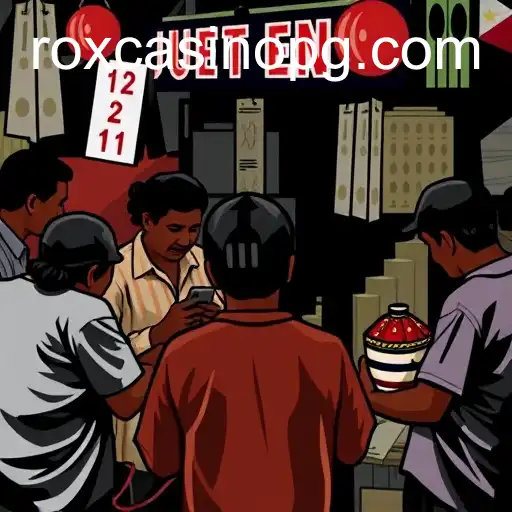

Understanding Jueteng: An In-Depth Look at the Controversial Numbers Game
Introduction to Jueteng
Jueteng is an illegal numbers game that has long been entrenched in the cultural and societal landscape of the Philippines. It is a form of gambling that draws significant attention due to its widespread popularity and the controversies that surround it. Originating from the Spanish colonial period, Jueteng has persisted over the decades, adapting to various socio-political changes.
The Mechanics of Jueteng
Central to the operation of Jueteng are the roles of the bet collectors, known locally as kubradores, who go around communities to collect bets from participants. Bets are placed on a combination of numbers, usually ranging between one and thirty-seven. The winning numbers are drawn daily, often using rudimentary methods such as two balls in a tambiolo, a spinning container, to ensure randomness. The simplicity of the game makes it accessible to many, contributing to its enduring popularity.
Social Dynamics and Impact
Despite its illegality, Jueteng has deep-rooted connections within communities. It is often likened to a social activity due to the communal interactions it fosters. The proceeds from Jueteng are sometimes used for community projects, enhancing its acceptance among local populations. However, the social acceptability of Jueteng does not exclude it from criticism due to its ties with crime and corruption.
Legal and Political Controversies
The illegality of Jueteng presents a dichotomy; while it is prohibited, its persistence suggests compromise at various levels of law enforcement and governance. Allegations of collusion between Jueteng operators and government officials are recurrent, leading to numerous scandals over the years. Efforts to eradicate Jueteng often intersect with political interests, where the game becomes a pawn in larger political machinations. This confluence of interests perpetuates a cycle of legality and insignificance.
Economic Benefits Versus Ethical Concerns
Proponents of legalized Jueteng argue that formal regulation could help mitigate corruption and contribute financially through taxation. However, opponents raise ethical concerns, emphasizing the potential for exploitation and the adverse effects on vulnerable communities. The ethical debate remains intense, highlighting the complexity of Jueteng as a societal issue.
The Role of Technology
In recent years, the advent of technology has transformed the landscape of Jueteng. The emergence of digital platforms has facilitated more coordinated operations, allowing operators to reach a broader audience. Technology also posed challenges to law enforcement, adapting age-old methods to modern technological advancements. To counteract this, authorities continue to develop innovative strategies aimed at preventing the spread of digital Jueteng operations.
The Future of Jueteng
The future of Jueteng remains uncertain, with ongoing debates over legalization and eradication. Sustainable solutions require a multifaceted approach involving community participation, legal reforms, and strategic law enforcement. As long as societal conditions provide fertile ground for Jueteng to thrive, it is likely to persist in some form. Understanding its cultural significance will be essential in devising effective solutions that align with community values and societal norms.
Conclusion
Jueteng stands as a testament to the complexities within Filipino society, intertwining gambling with cultural, political, and social dynamics. Whether it evolves towards a legal entity or remains entrenched as an illicit but popular pursuit, Jueteng continues to evoke critical discourse on morality, legality, and cultural identity.